


Creators tend to make this decision by looking at subscriber count.
“I already have 200,000 subscribers. I can’t just walk away from that.”
Or the opposite:
“My audience subscribed for something else. I need to start over.”
Neither is a particularly useful way to think about it.
Subscriber count is not the deciding factor. The real question is whether the new content makes a compatible promise to the same viewer.
Adam Witt’s channel is a good example.
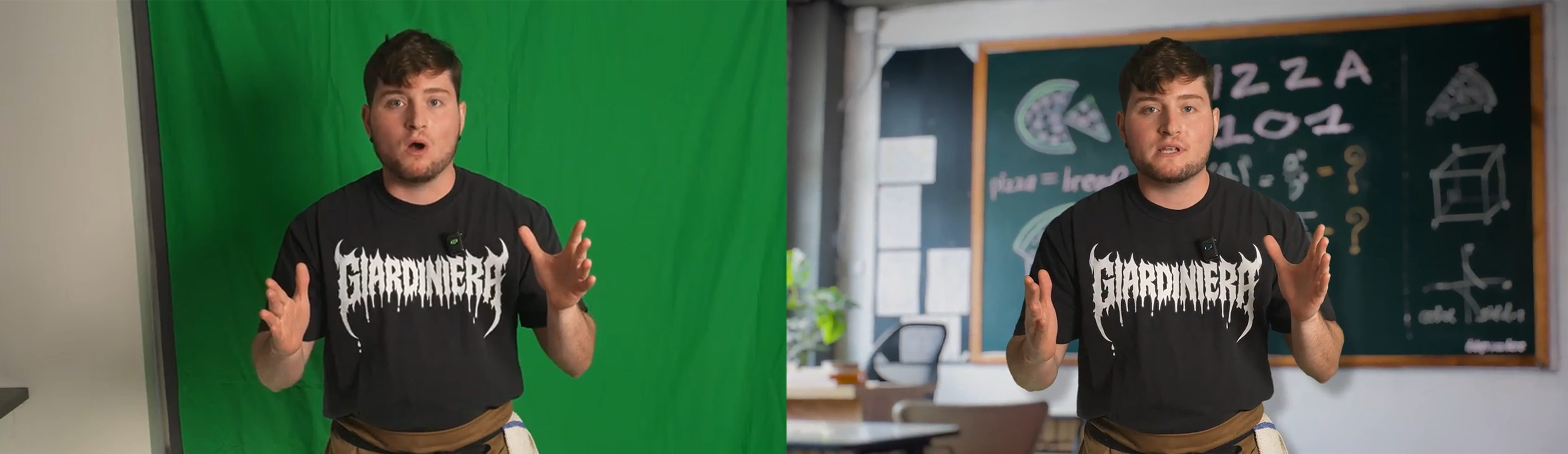
Adam had built an audience around food, but the channel was moving away from conventional recipes and reviews. The new direction was more ambitious: recognizable dishes wrapped in cultural history, commercialization stories, cooking, humor and Adam’s personality. Shot on a greenscreen with a ton of graphics and quirky editing.
It was a hard format pivot, but a similar value proposition.
The person who wanted to watch Adam cook deep dish pizza could plausibly be interested in why ranch became America’s default condiment - provided the video still delivered food they wanted to eat, satisfying food porn, and Adam being Adam.
So we kept the pivot on his existing channel.
That did not mean uploading a completely different show and hoping the algorithm developed an appreciation for creative risk.
The first videos gave us a fairly blunt set of signals. Sushi attracted the highest share of new viewers and delivered above-average watch time. Other episodes lost viewers during historical sections that were a touch too long, then improved as soon as the cooking began.
The audience wasn’t rejecting history. It was rejecting having to absorb too many details.
That distinction refined the channel’s promise: interesting stories about food people actually want to eat.
History became context rather than the entire product. We shortened exposition, created more room for Adam’s personality, and packaged each video around a universally recognized food dish with a strong narrative hook.
We also resisted the urge to immediately rename everything or split the concept into a new channel. Instead, we tested “Cooking with Context” as a soft brand inside Adam’s existing channel.
The format gradually became repeatable: recognizable food, a surprising origin or commercialization story, a visual cooking hook and a taste-test payoff.
Then it worked more than once.
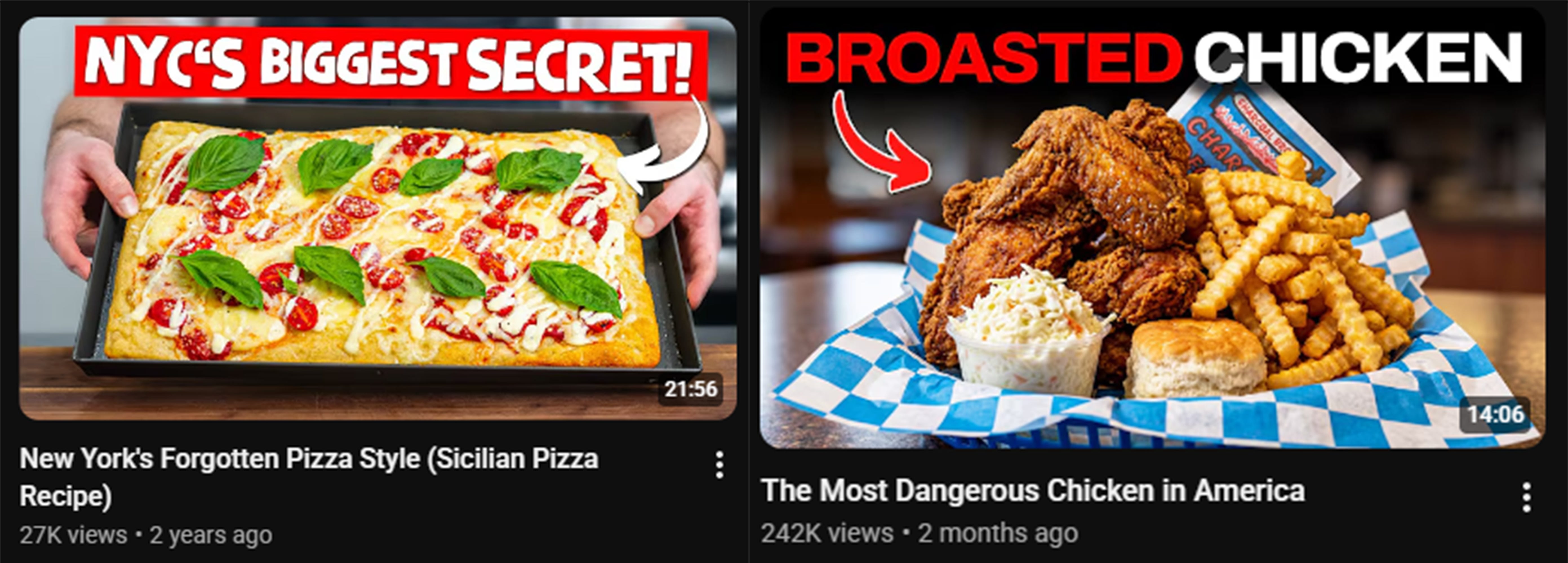
Ranch, Pad Thai, Nachos and Chicken Tikka all began trending toward roughly 100,000 views. By August, the new run had accumulated roughly 200,000 views since mid-June. One Hawaiian pizza video showed above-average view duration and even a rare retention spike near the ending. Adam’s video about Broasted Chicken absolutely crushed and will be at 500k views in due time. Now the content was doing its job so it was time to tweak the packaging.
That is what a successful pivot usually looks like. Not one insane viral breakout, but several uploads proving that the new promise has legs.
But, the same-channel decision does not always make sense.
We advised one founder not to launch a business podcast on an established comedy account. The subject, format and reason for watching were fundamentally different. Some people might follow the creator across both, but audience overlap is not the same thing as promise compatibility.
A tech channel made a different version of the same choice. Its show lived on the existing channel rather than the host’s personal account because the brand needed to support future hosts and maintain an editorial identity beyond one person.
Ryan George’s channel structure offers a public example: sketches on one channel, personality-led commentary on another. Same creator. Different value propositions.
So the practical test is not, “Can I bring some of these subscribers with me?”
Instead, it’s:
Would the same person reasonably want both versions of the channel for the same underlying reason?
Stay on the existing channel when 1. the subject is evolving but the viewer identity remains the same, 2. when your personality is a meaningful part of the value, and 3. when the new format still satisfies the reason people originally watched.
Start fresh when the new content serves a fundamentally different person, creates a sharply different expectation or needs an identity that can eventually exist without you.
If the answer is unclear, begin with a controlled test.
Publish a small run on the existing channel. Keep recognizable elements from the old promise. Introduce the new format consistently. Compare new-viewer share, click-through rate, retention and where viewers leave - not just total views. Then refine the balance before going all in.
A new channel can keep a clean separation between two vastly different types of videos.
But it can also prevent you from learning whether the pivot would have worked.
The question isn’t how many subscribers you might lose. It’s whether the person behind that subscription still recognizes what they came for.
Go get ‘em.