


You know this video.
The creator has barely finished the opening hook and we’ve already been bombarded with three camera punches, five words in enormous captions, a stock clip of a private jet and at least one completely unearned bomb sound effect.
You haven’t heard the point yet, but you already feel like you’re being sold something.
This talking head style, championed by Alex Hormozi, worked because it gave the format energy. Tight cuts, constant visual reinforcement, aggressive captions and frequent B-roll, turned what could have been a static monologue into something that felt urgent and authoritative.
Then everyone copied it.
In fact, I have a theory that a lot of AI generated motion graphics and templates were all trained on the Hormozi style, which is why it all looks so similar.
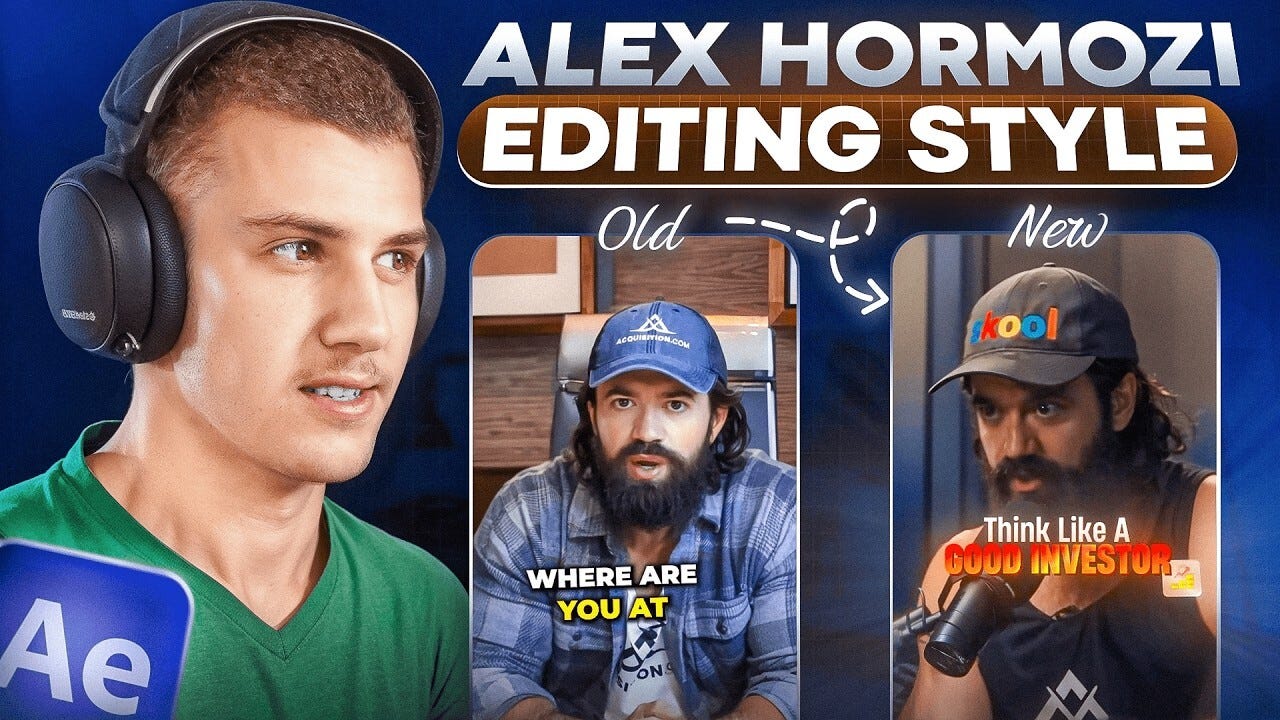
Once a production style becomes familiar enough, it stops having a positive impact. What once communicated confidence and authority starts to communicate a disingenuous lack of interest from the host. Instead of making a creator look more credible, excessive polish can make the video feel like a pitch.
To be clear, I’m not trying to promote a sweeping YouTube rule. I’m only speaking based on experiences with the content we produce. There are plenty of views being snatched up by those glossy talking head videos, so clearly something still works.
But in the expert-led talking-head and podcast content we work on, our personal tastes and analytical feedback keep drawing us towards something more lo-fi.
We recently relaunched Sources, Alex Heath’s technology podcast. The show doesn’t open with a cinematic trailer, a narrated setup or a rapid-fire montage teasing everything you’re about to hear. It starts with the first interview question.
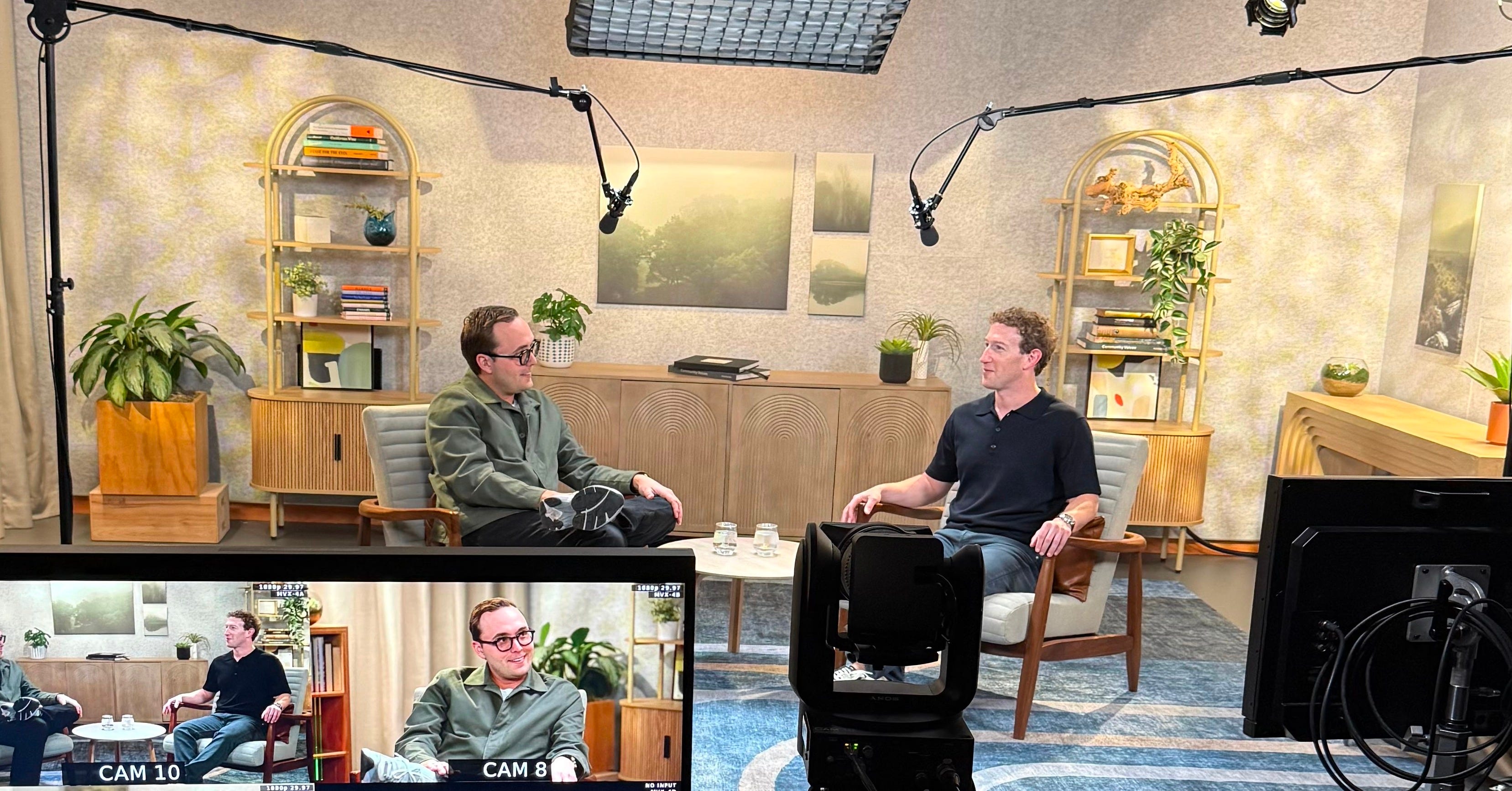
The thumbnails use frames from the actual conversation, usually with minimal text, maybe a company logo. The editing is clean, but it doesn’t try to manufacture excitement around every sentence.
The B-roll is deliberate, only being used to reinforce the messaging. If a guest talks about an app, show what the app does. If they reference an article, put the article on screen. If they describe something that happened onstage, show the moment.
The visual helps the viewer to better understand the conversation, not simply prove that an editor was present.
The relaunch received a strong early response. But it would be very convenient for us, the team running the production, to claim that it was solely due to the restrained editing.
We’ve had major guests in the first few episodes, a new identity and a coordinated promotional effort. All of which had a significant impact. The result does not prove that simpler production wins, but it does show that an interview can hold attention without being wrapped in constant production tricks.
We’ve started trying this out with another creator’s thumbnails. Instead of making every upload feel sensational, we began moving toward natural frames from the videos with a small amount of text or one clear visual element.
The goal wasn’t to make the work look cheap. It was to make the packaging feel like an honest extension of the video behind it while still grabbing attention.
Think of MoistCr1TiKaL and MrBeast as opposite ends of a production spectrum.
One carries the video almost entirely through the idea, delivery and personality, while consistently putting up huge numbers. The other is Mr. Beast.
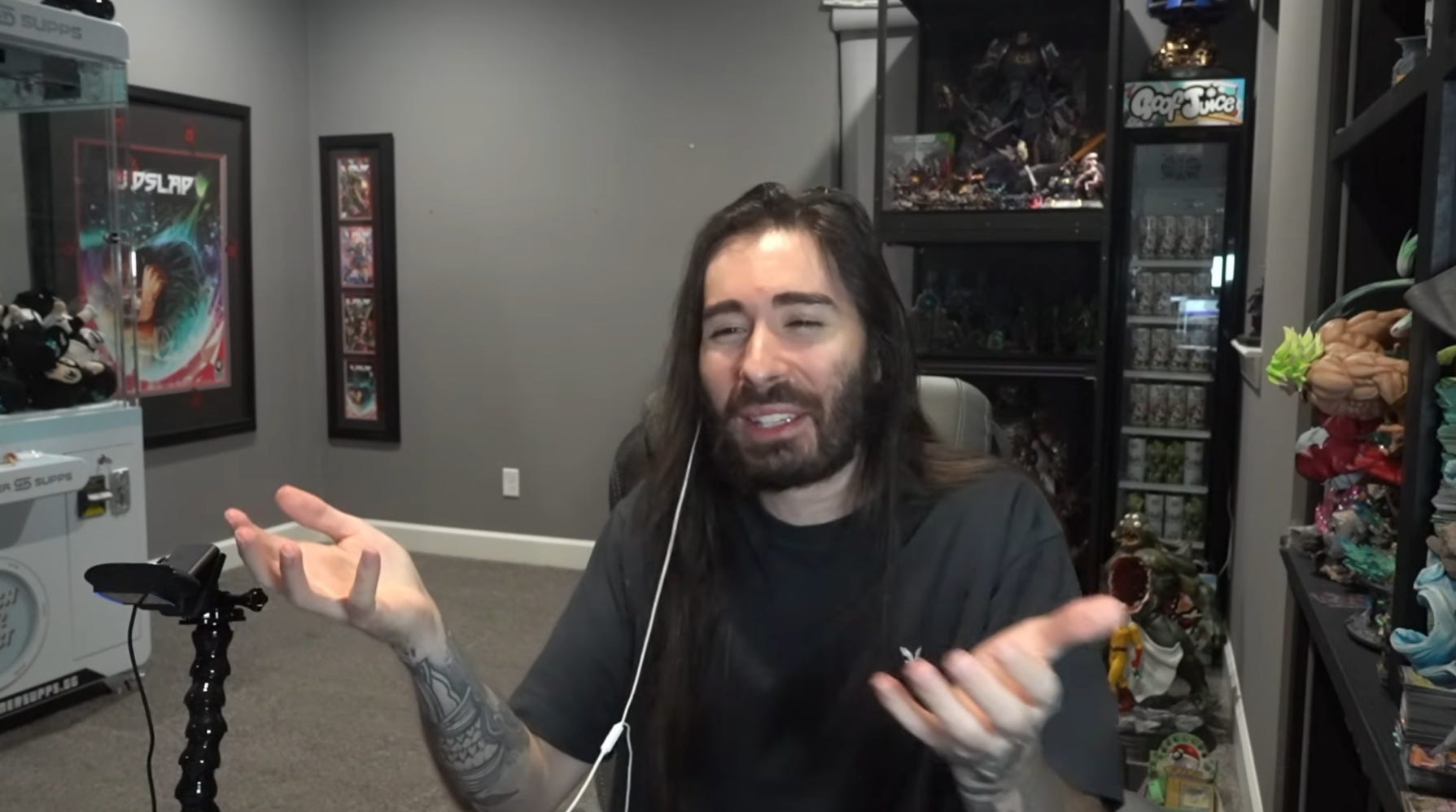
Both approaches can work extremely well. The problem starts when every creator assumes they need to move toward the same end of that spectrum, regardless of what the audience is actually there for.
My argument is that excessive production can start competing with the thing people came to see when your product is expertise or personality.
Here’s our new test: does this choice help the viewer understand, believe or feel something?
If the B-roll clarifies the point, keep it. If the caption makes a complicated idea easier to follow, keep it. If the camera movement gives an important moment more weight, keep it.
If it’s there because the screen hasn’t changed in four seconds and everyone is getting nervous, you can probably lose it.
Simple production is not a shortcut. In some ways, it is less forgiving. When the captions stop and the B-roll no longer fills every gap, more responsibility falls on the idea, the delivery and the authority.
If the creator is boring, there is nowhere to hide.
By giving up some of the manufactured momentum, you create more space for the creator to sound like someone worth listening to.
Go get ’em.